Your Cart is Empty



Answer a few quick questions, and if you're a fit, you can download a guide on how a bee hive works


We have a swarm of resources available to help you every step of the way, including a weekly live-streamed Q&A with the inventor Cedar, phone and email support, PLUS free 30-day access to our comprehensive online beginner beekeeping course.

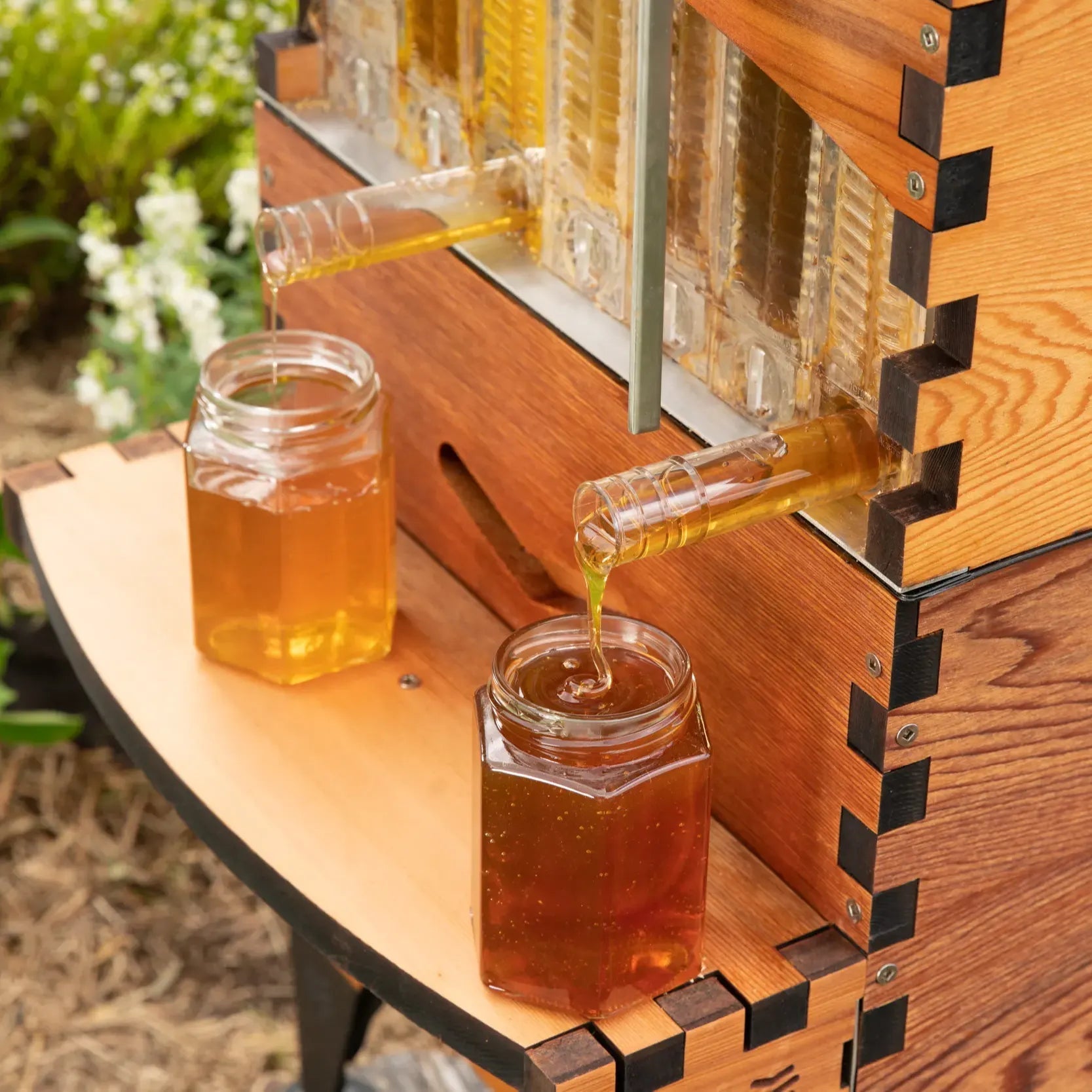
With Flow’s patented technology you can harvest from individual frames directly into your jar. Without the blending of conventional harvesting, you can experience the seasonal variations in color, flavor of your own garden!


The Flow Hive is used backyards, gardens, rooftops, and balconies of all shapes and sizes across 130 countries.


Our Starter Bundle has the safety gear you need to get started AND a sweet saving.
The perfect hive for new beekeepers – with all the features that made Flow Hive a household name and essential safety gear.
Plus, start learning with one month FREE access to our online beekeeping course.
Our limited stock numbers are selling fast!
The joy of beekeeping with a Flow Hive in Sandy, Utah
"It's a dad's dream come true"
The Flow Hive is perfect for beginners. We recommend the Starter Bundle as it contains all the essentials.
Ready to take the first step? Learn beekeeping terminology – from queen excluders, to drone bees and all the parts of a beehive – by downloading our simple PDF guide to beekeeping to start your journey today.


